How We Built Ten Completely Different Visual Looks for Eurovision
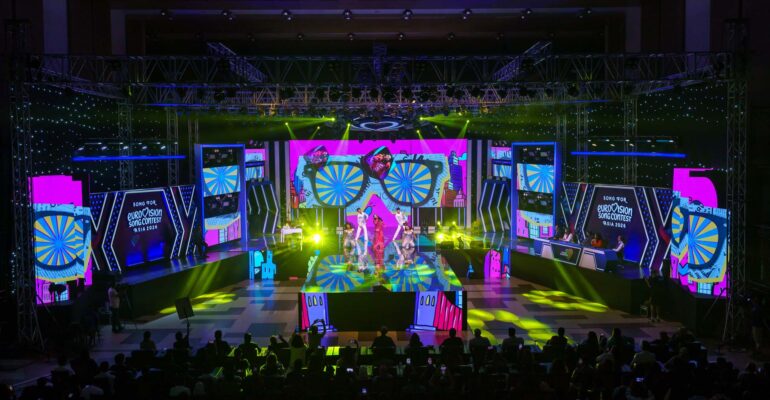

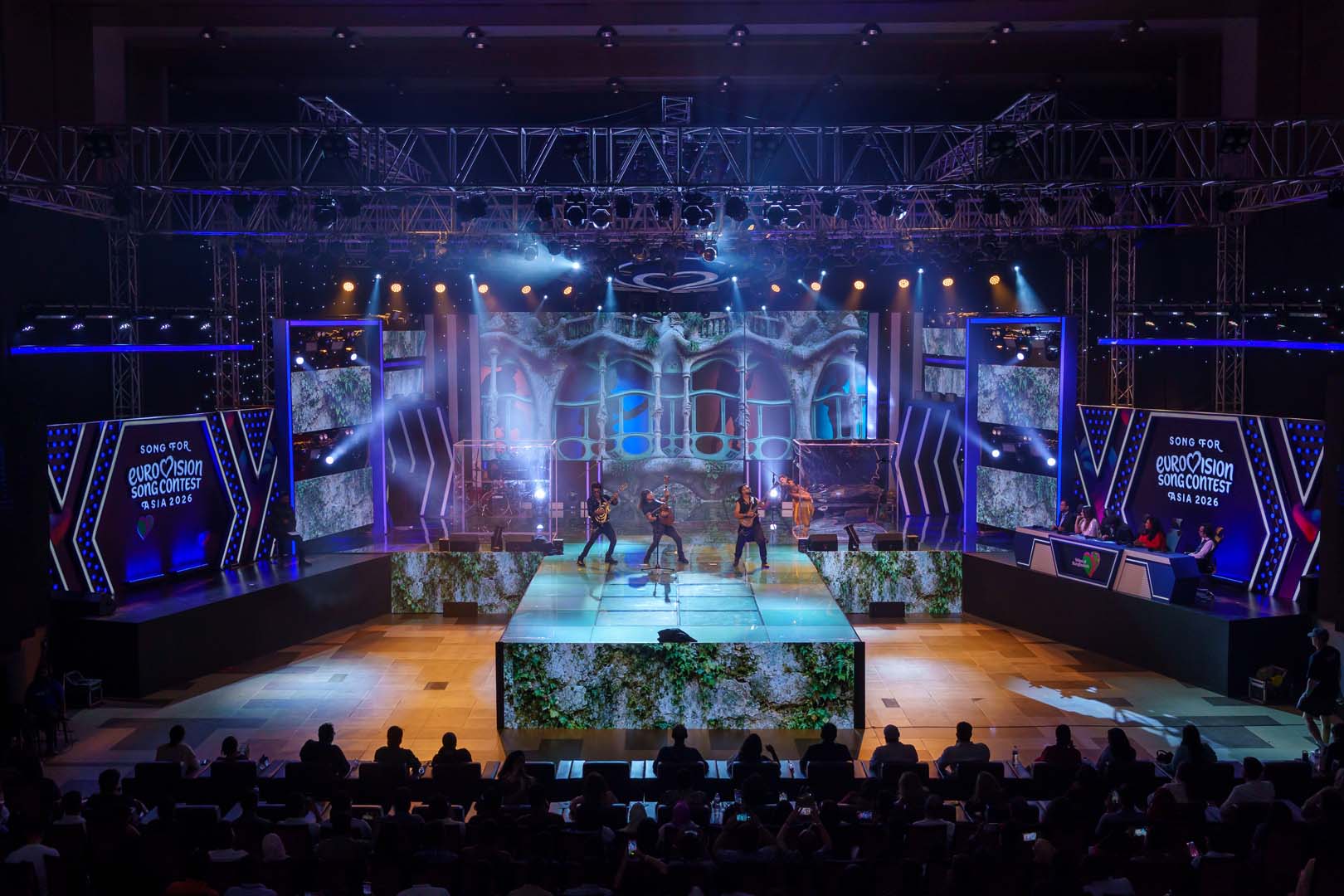
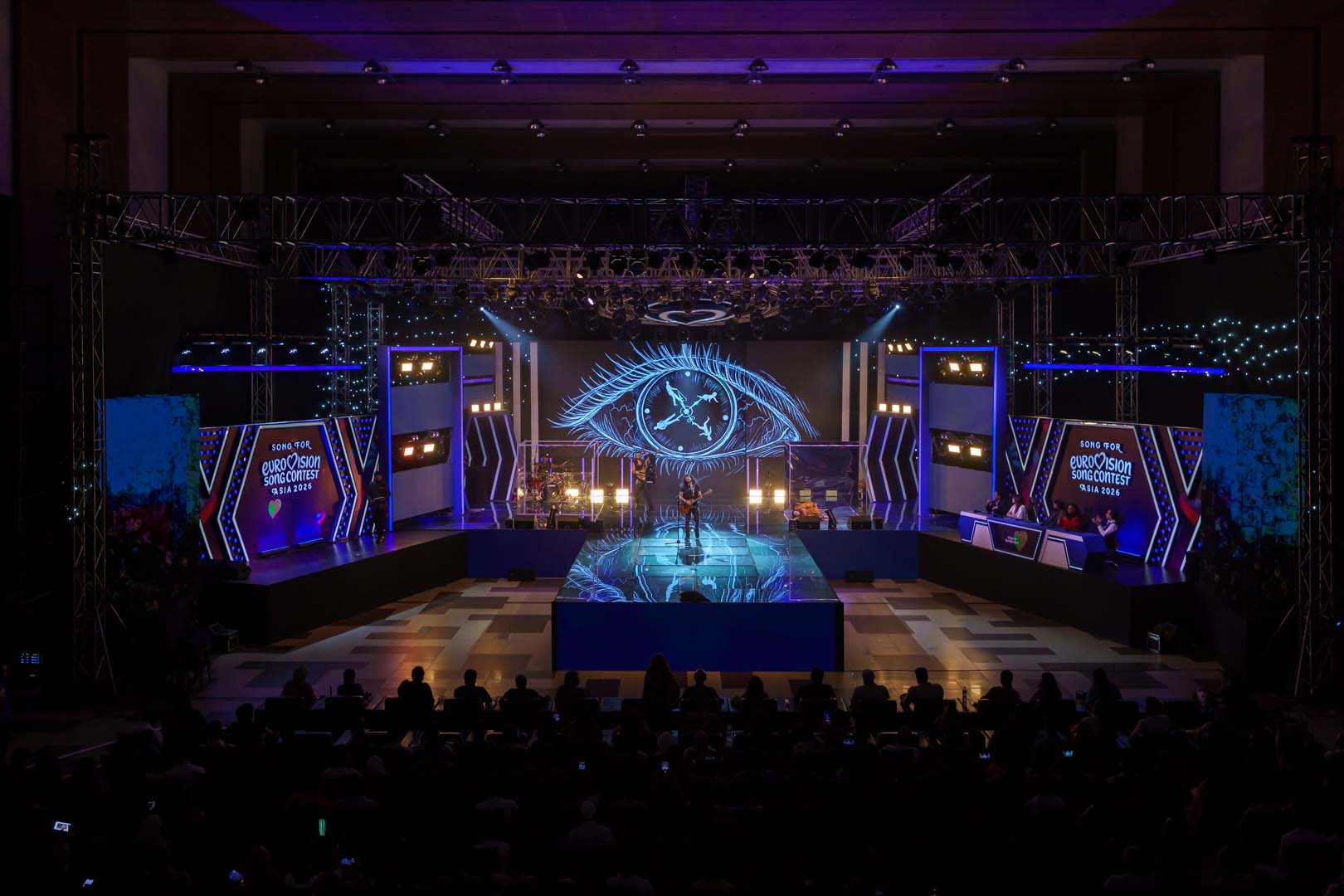
For Voice of Bangladesh, the national selection for Eurovision Song Contest Asia, we made ten songs look like ten different shows. We did it by changing the pipeline, not just the colours. Most looks came out of the Adobe suite. Others came from MadMapper and Google Flow. Everything ran as rendered video through Resolume.
Why do visuals matter so much at Eurovision?
Eurovision is the world's biggest live music competition, and the visuals are part of the entry. Måns Zelmerlöw won in 2015 with a performance built around 3D projection mapping. He has said that once he saw the technology he knew that was it.
The risk with ten acts on one stage in one night is sameness. One team, one workflow, ten songs that start to look alike. We wanted the opposite.
What was the rule for ourselves?
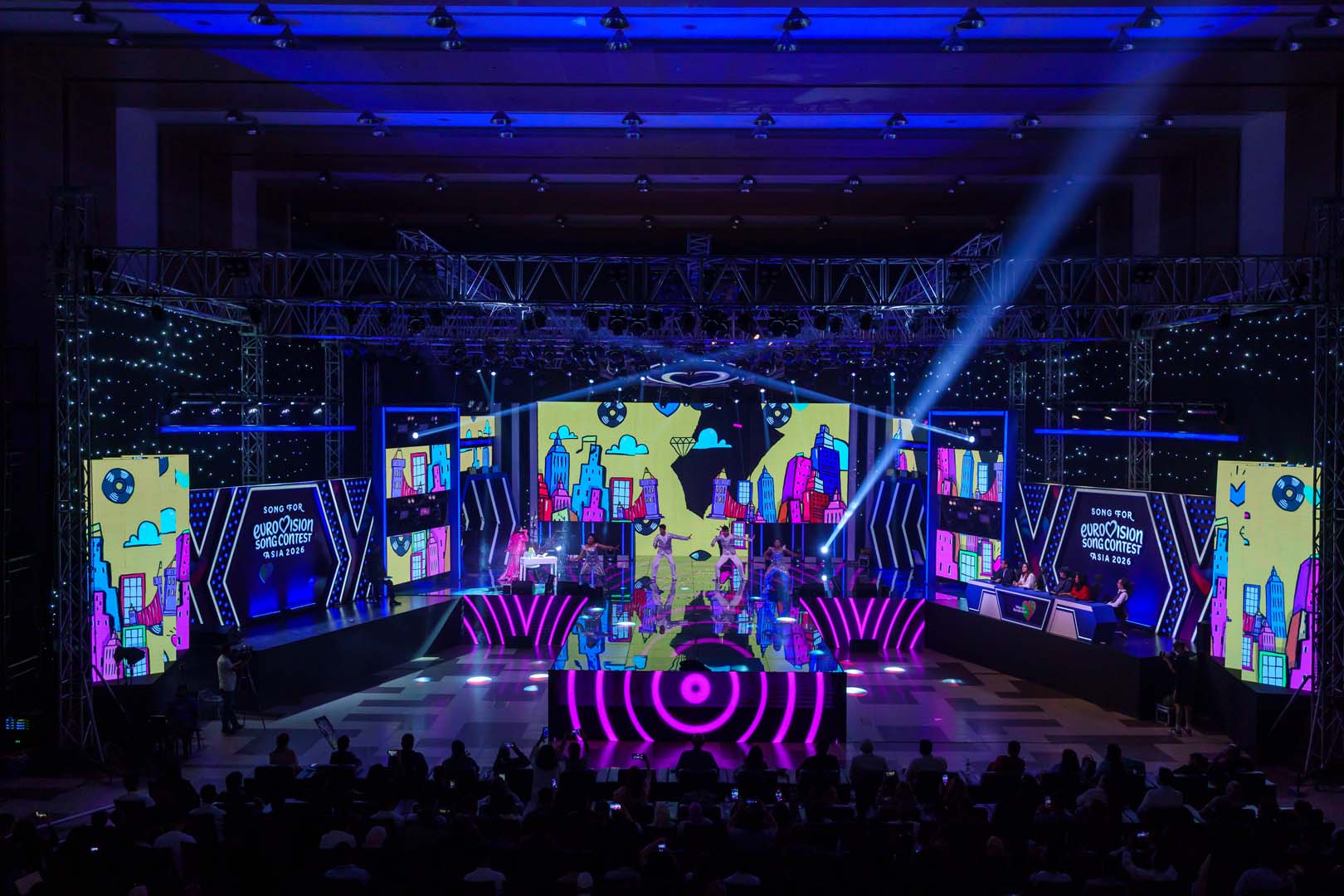
Ten songs, ten visual languages. We pushed our workflows as far as they would go and went wild on purpose. It paid off. It made everything look brilliant.
How did you keep ten looks apart?
By letting each song pick its own pipeline.
- Most songs: built and finished in the Adobe suite
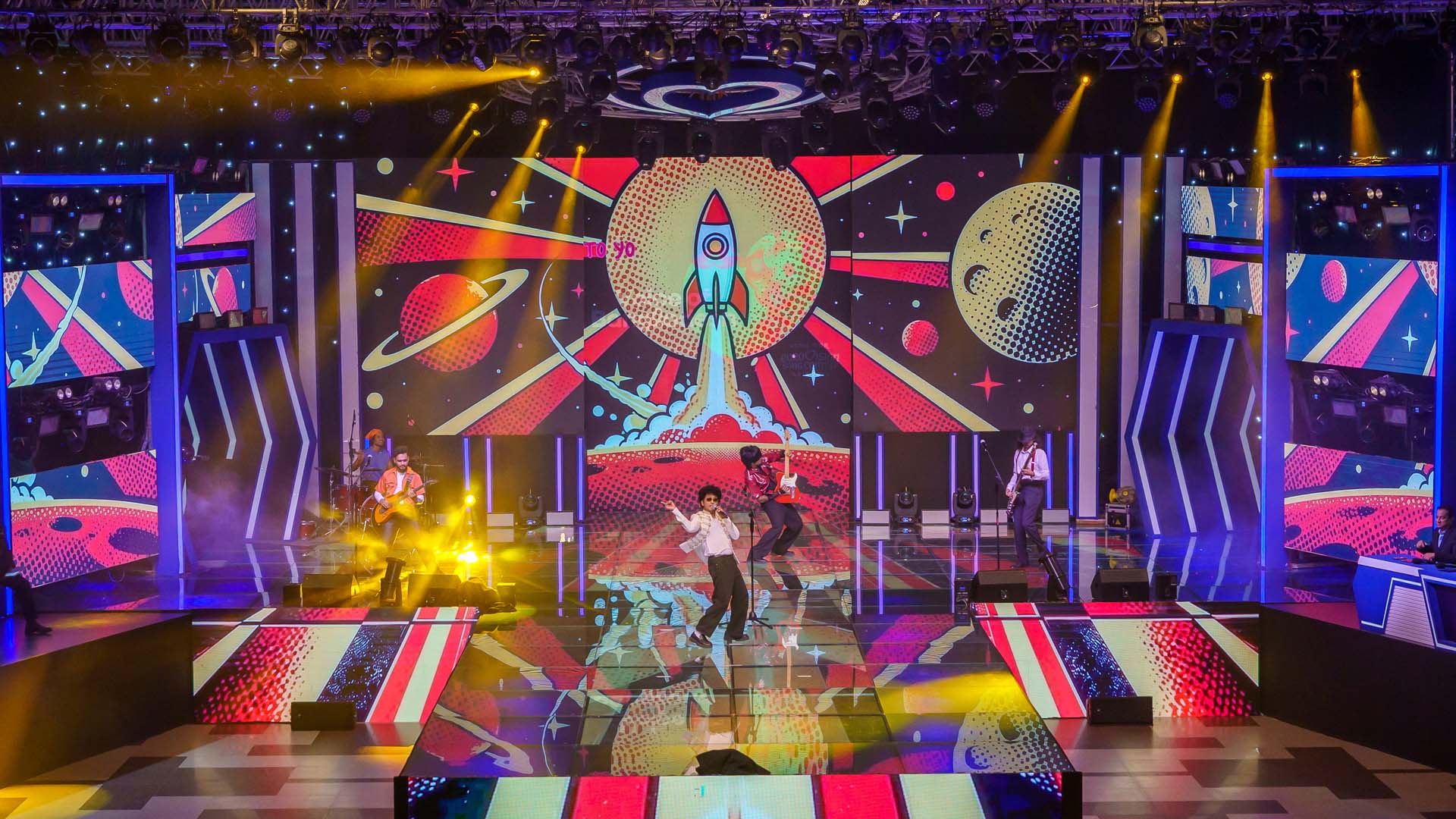
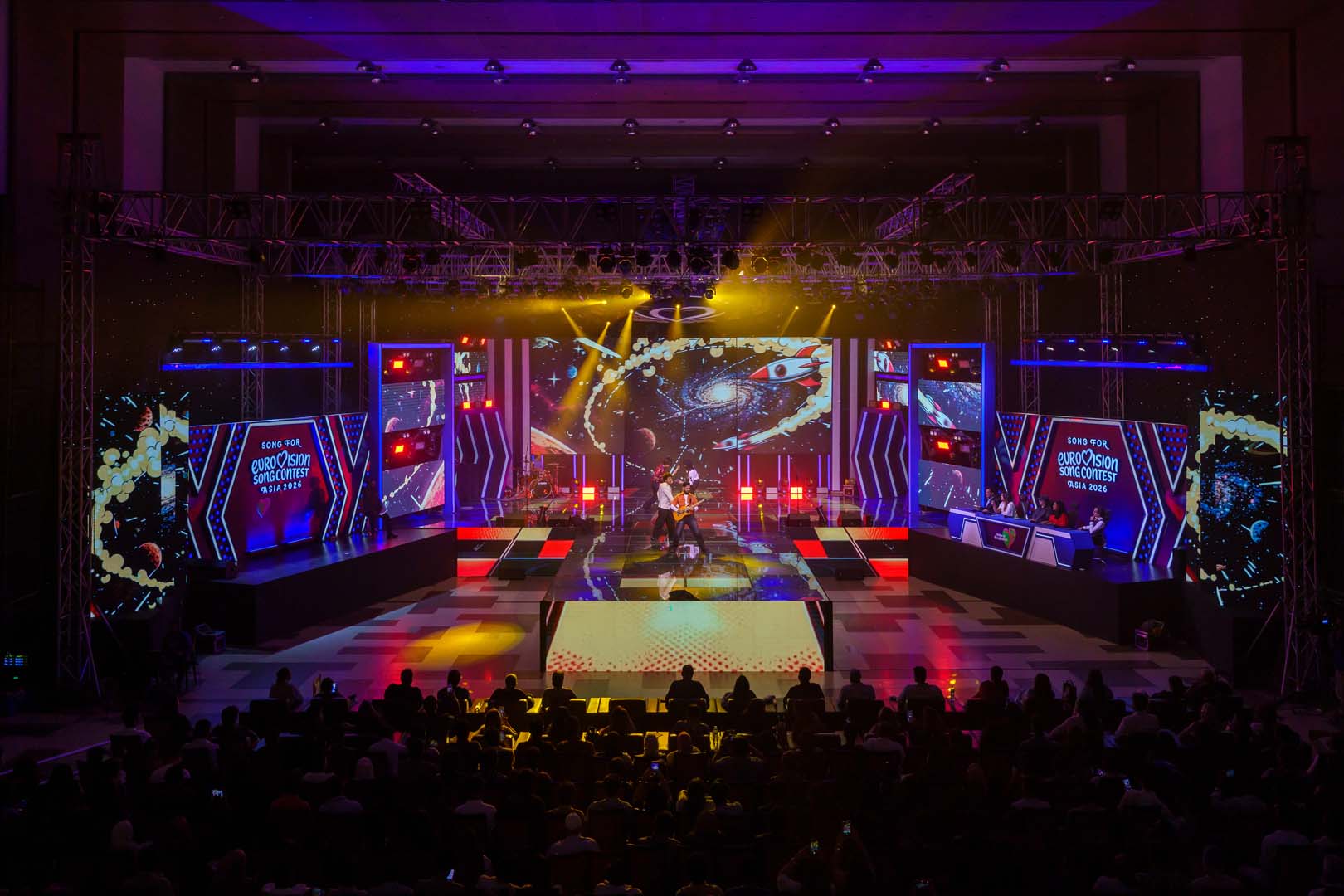
- Vintage Theory: ChatGPT images, Google Flow video, After Effects composite
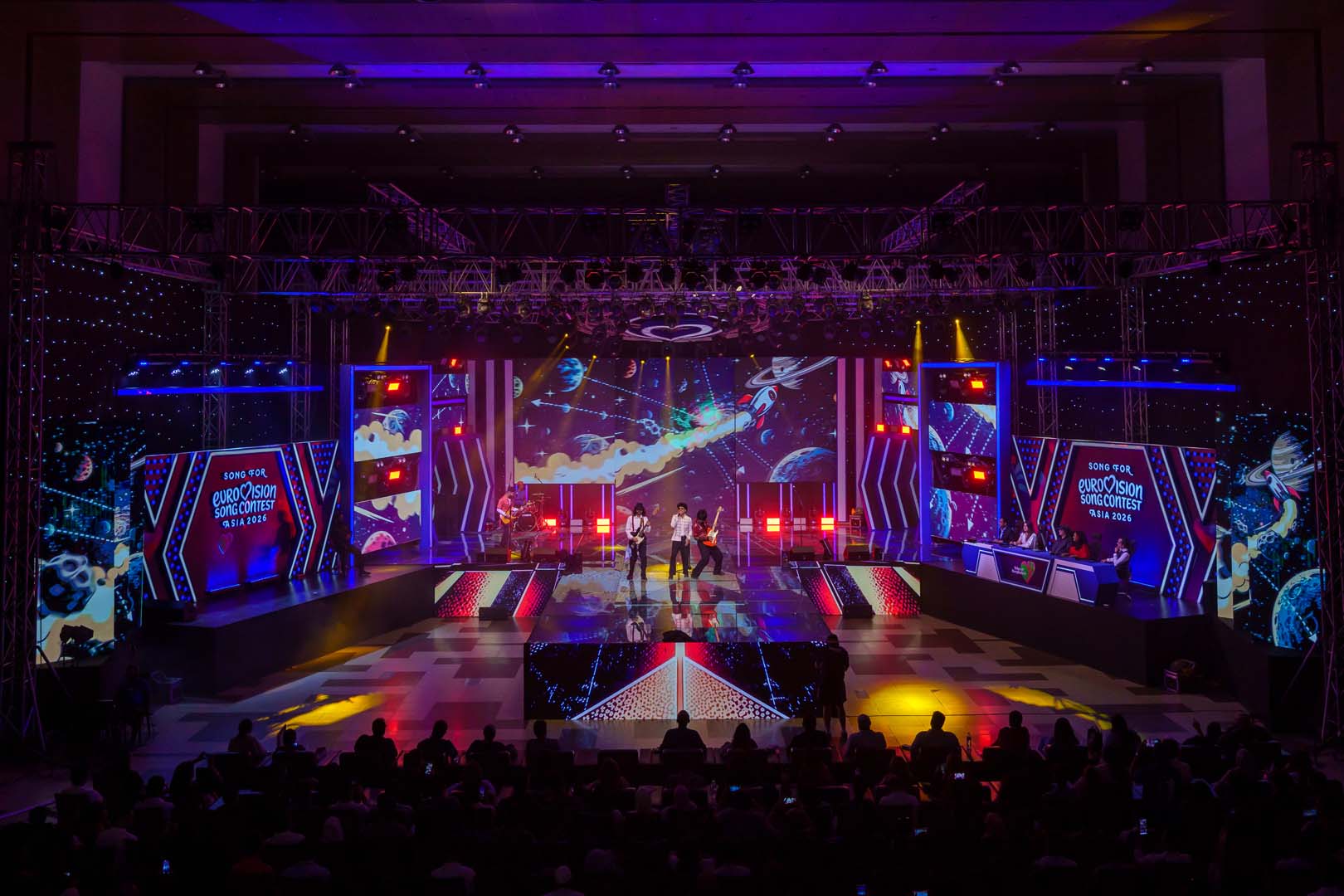
- "Mashuk Dhiyan" by The Kushiyara Waves: a MadMapper timeline, rendered out and composited into the song visual
The colour logic stayed the same. The method changed. That is what kept ten looks from collapsing into one.
How did you use Google Flow for VJ content?
ChatGPT made the still images for Vintage Theory's look. Google Flow turned them into video. After Effects did the final composite. The look came from generated material, so it felt nothing like the shader-driven work.
How did you use MadMapper for show content?
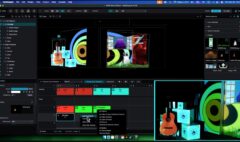
"Mashuk Dhiyan" was built as a timeline inside MadMapper, using its shader material. We rendered it out and composited it into the final song visual. MadMapper is a mapping tool, but its generative material gave this song a texture none of the other nine had.
What did the Resolume rig look like?
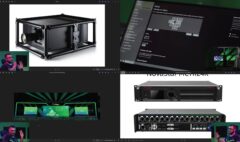
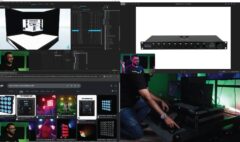
Resolume ran every server. Three systems in total.
- Main stage: a primary server patched to six processors
- Backup: a second server patched to the same six processors
- Side LED: a separate server patched to one processor
Plugins such as Chaser and Cube3D ran across the systems. If the primary failed, the backup was already patched and ready, so a failure never had to reach the stage.
Why render the songs instead of playing them live?
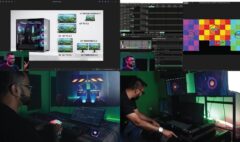
Every track was pre-recorded and performed as a minus-one. Only the lead vocal was live. So each song's visual was a produced video file. I kept a bank of controls and effects to move live on top.
How do you set brightness when a camera is the audience?
Master opacity. My right hand stayed on that fader. I watched the camera monitor and not the stage, and rode the LED level to what the camera saw. Brightness that reads right in a room can look wrong through a lens, so the monitor decides.
What would I tell other VJs?
Keep cool. Stay confident, especially while the world is watching.
Watch the other songs
Frequently asked questions
What software ran the Eurovision Asia Bangladesh visuals?
Resolume was the media server on three systems. Content came from the Adobe suite, MadMapper and Google Flow.
How many Resolume systems ran the show?
Three. A main-stage primary, a backup patched the same way, and a dedicated side LED server.
Can MadMapper be used to create show content?
Yes. For "Mashuk Dhiyan" we built the visual as a MadMapper timeline, rendered it and composited it into the final song video.
Can Google Flow be used for VJ content?
Yes. We used it to generate the video for Vintage Theory's visuals, then composited the result in After Effects.
Were the visuals played live or pre-rendered?
Pre-rendered. The songs were performed to minus-one tracks, so each visual was a finished video, with live controls and effects on top.
Learn the tools
The full story of this show is on zunayed.com/blogs and the production case study is on studioz.com.bd/blogs.